Kenya Heightens Border Surveillance and Response Protocols Following Ebola Alert in East Africa
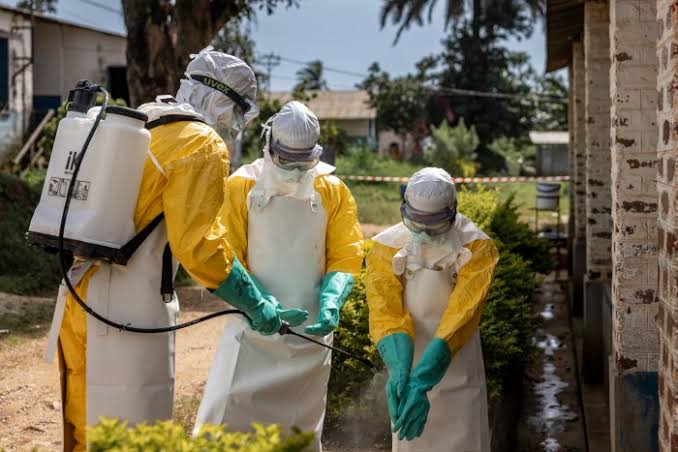
Kenya’s Ministry of Health has officially raised its national public health alert level, reinforcing border screening, contact tracing readiness, and isolation facilities across key transport hubs in response to recent regional epidemiological reports of viral hemorrhagic fever cases.
While health officials confirm there are currently no confirmed active cases of Ebola Virus Disease (EVD) within Kenya’s borders, emergency management frameworks have been activated at Jomo Kenyatta International Airport (JKIA), Busia, Malaba, and Namanga entry points to prevent potential cross-border transmission.
National Readiness and Rapid Response Deployment
Under the coordinated strategy overseen by the State Department for Public Health, health personnel have been redeployed to high-volume border crossings. Thermal imaging scanners, secondary screening stations, and dedicated isolation holding zones are now operational.
"Our frontline health workers are on high alert. Early detection and rapid containment remain our strongest line of defense against potential outbreak spillovers," stated a senior public health official involved in national contingency planning.
Regional health authorities have been instructed to monitor acute febrile illness reports closely, specifically looking out for symptoms including sudden high fever, intense fatigue, muscle pain, headaches, severe sore throat, vomiting, and unexplained bleeding.
Strengthening Surveillance and Community Awareness
Epidemiological experts emphasize that while the immediate risk to the general public remains managed, transparent reporting and community awareness are critical to preventing panic and ensuring early isolation of suspected cases.
County health departments—particularly those along Western Kenya transport corridors—have begun updating their medical stockpiles, distributing Personal Protective Equipment (PPE) to level 4 and 5 hospitals, and conducting simulation drills for infectious disease containment.
What Citizens and Travelers Need to Know
- Travel Precautions: Travelers entering or departing Kenya via ground borders or international airports are subject to routine health screenings and temperature checks.
- Reporting Symptoms: Anyone experiencing unexplained high fever accompanied by severe bodily weakness or gastrointestinal distress after traveling is advised to report immediately to the nearest health facility or call national public health emergency hotlines.
- Hygiene Standards: Public health agencies continue to reinforce strict hand hygiene, avoidance of unverified contacts with bodily fluids, and adherence to official health bulletins.
HAQQ JOURNAL will continue monitoring official health disclosures and epidemiological updates across East Africa.